Article snapshot
Compare SPAA and UKPI, their approach to recurring A2A payments, and what it means for businesses operating across the EU and UK.
Overview
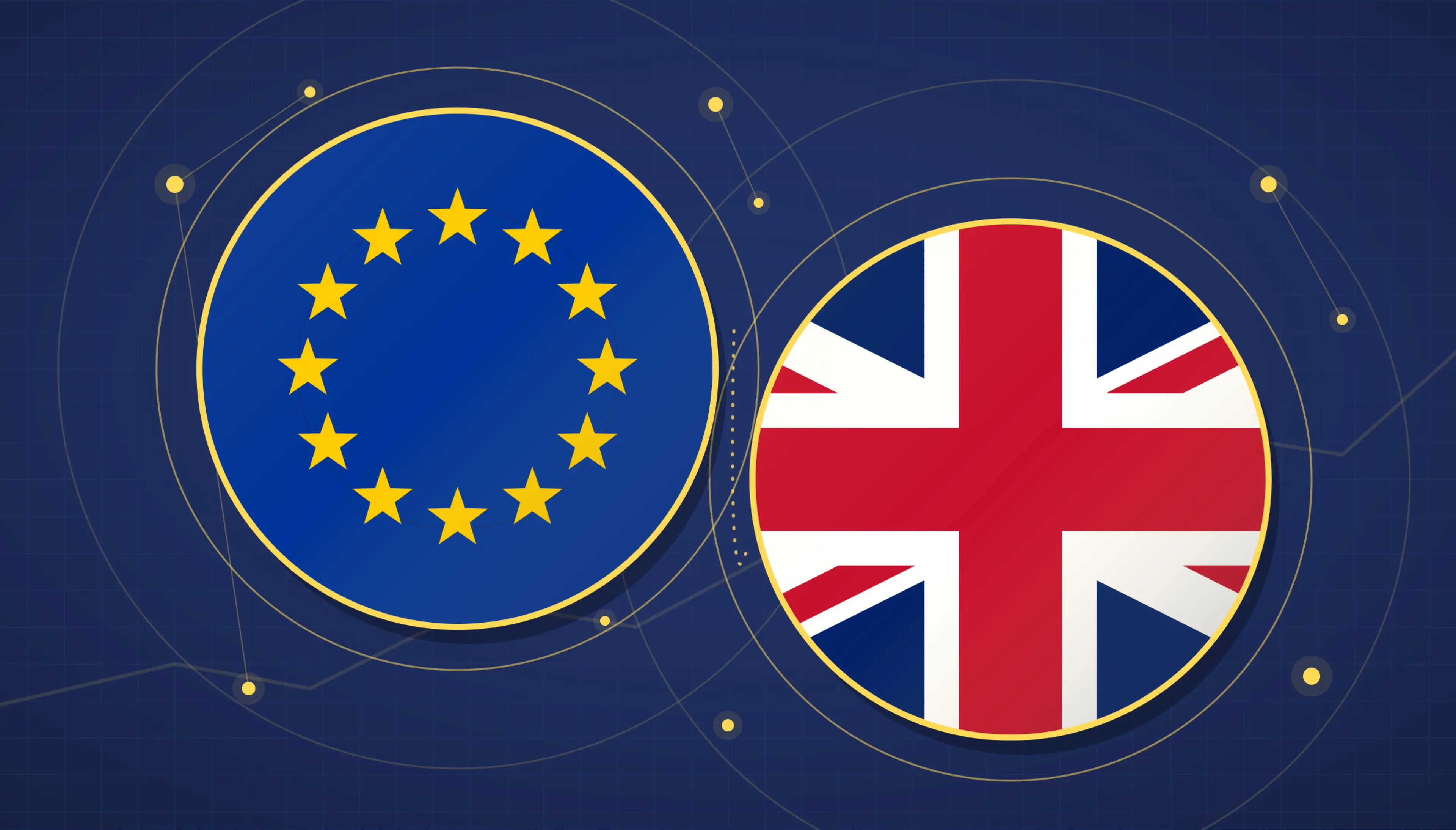
The EU and UK are building parallel but distinct frameworks for account-to-account payments.
- EU: SEPA Payment Account Access (SPAA) extends open banking into a commercial API standard for Europe.
- UK: UK Payments Initiative (UKPI) supports the development of recurring open banking payments for a wider range of use cases.
- Why it matters: For platforms operating in both the EU and UK, understanding the differences between these A2A payment frameworks is important when planning for the future.
The Second Payment Services Directive (PSD2) is an EU directive that came into effect in 2018. It aims to enhance the security of payment services, promote competition, and provide consumers with greater choice through open banking.
PSD2 introduced several key requirements for regulated payment service providers, including:
- Strong Customer Authentication (SCA): Requires customer authentication for activities such as accessing a payment account or approving a payment.
- Open Banking access: Requires account-servicing payment service providers (ASPSPs) to allow authorised third-party payment service providers to access customers’ payment account information or initiate payments on their behalf, with the customers’ explicit consent.
Open banking has facilitated the growth of account-to-account (A2A) payments, allowing eligible customers to make payments directly from their bank accounts through authorised third-party providers. However, PSD2 primarily focused on account information access and payment initiation, leaving opportunities for further innovation in areas such as recurring payments and broader commercial use cases.
While these developments offer clear benefits to merchants, acquirers, and payment initiation service providers (PISPs), ASPSPs may require additional commercial incentives to support their adoption. Similarly, consumers need compelling reasons to choose A2A payments over traditional payment methods.
What are recurring A2A payments?
Recurring A2A payments allow customers to authorise multiple payments directly from their bank accounts under a single consent arrangement, subject to predefined conditions and limits.
This offers an alternative to existing payment collection methods, such as direct debits or recurring card payments, as well as methods that require the payer to take action each time a payment is due.
Once consent is granted, subsequent payments can be initiated within agreed parameters, including maximum payment amounts and consent expiry dates. For businesses, commercial Variable Recurring Payments (cVRPs) have the potential to reduce payment processing costs by enabling direct transfers between bank accounts without relying on card networks.
This makes recurring A2A payments practical for:
- Subscription and membership payments
- Utility bills
- Recurring charity donations
- Financial services payments or loan repayments
This has the potential to unlock a wide range of use cases for open banking payments.
Often referred to as Variable Recurring Payments (VRPs) or Dynamic Recurring Payments (DRPs), these solutions build on existing open banking infrastructure for single payments. Commercial implementations may be offered by ASPSPs through premium application programming interfaces (APIs), subject to applicable commercial arrangements and regulatory requirements.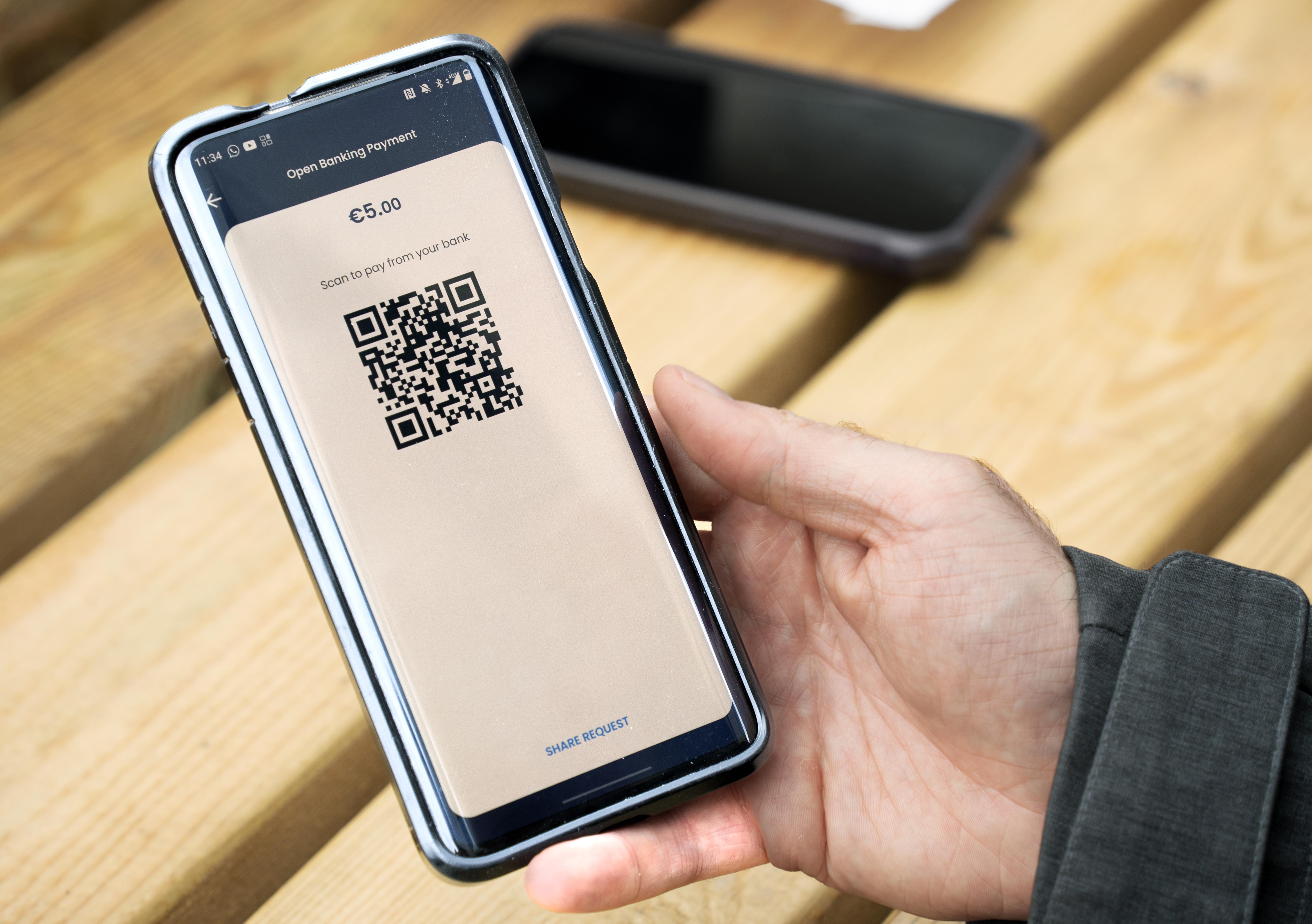
The challenges
Fractured standards
While API standards exist, they remain fragmented across Europe. ASPSPs use different approaches to providing open banking access, and requirements can vary between markets and institutions. This makes it harder for TPPs to achieve broad coverage across banks, particularly when expanding into new markets. Some ASPSPs also use proprietary APIs, adding to the complexity.
This lack of harmonisation presents challenges for PISPs and merchants operating across multiple countries. Differences in API specifications and implementation requirements can increase integration costs, complicate market expansion, and make it more difficult to deliver a consistent payment experience across markets.
Premium APIs and recurring payments
While one-off A2A payments suit a range of use cases, recurring A2A payments offer opportunities to expand into areas requiring regular payment collection, such as subscriptions, utility bills, and memberships.
Merchants have an incentive to offer cVRPs, as they can help reduce payment costs and improve operational resilience. However, wider adoption depends on ASPSPs enabling the functionality. A sustainable commercial framework is therefore essential to incentivise ASPSPs to provide these services through premium APIs, while allowing PISPs to offer competitive pricing to merchants. The European Payments Council’s SPAA scheme provides one approach to supporting such commercial arrangements.
What is SPAA?
SEPA Payment Account Access (SPAA) is a scheme developed by the European Payments Council (EPC) that sets out rules, standards and practices for participants providing open banking payment and account information services.
While PSD2 established the foundations for open banking payments across eligible payment accounts, SPAA builds on this with premium APIs and enhanced functionality.
It aims to:
- Improve the merchant and customer experience beyond the baseline requirements of PSD2.
- Support the growth of open banking payments in the SEPA zone through premium APIs.
- Expand the scheme over time to support additional functionality as market needs evolve.
SPAA also establishes default fees for using its premium APIs, developed in line with the Euro Retail Payments Board (ERPB) mandate and in collaboration with stakeholders and an independent economic consultant. Participants can agree to lower fees bilaterally.
What is UKPI?
UK Payments Initiative Limited (UKPI) is an industry-led, industry-owned company established to operate the new payment arrangement and set the commercial framework for cVRPs in the UK.
To support the National Payments Vision’s objective of enabling new open banking payment use cases at scale, industry participants came together to establish UKPI, bringing together a group of ASPSPs and PISPs, including Fire.
UKPI has developed a commercial framework, rulebook, and operational standards to support the adoption of cVRPs, providing a structured approach to their implementation across the UK payments industry.
Phased rollout
UKPI has chosen to approach the delivery of cVRPs in a phased manner, starting with lower-risk use cases and progressing to higher-risk use cases. As of now the commercial model and overall framework is designed to support the early use cases. The phased approach allows UKPI and participants to take learnings from the initial phases, or Waves, to refine the customer experience, commercial model and operational processes and build support for use case expansion.
- Wave 1: The initial rollout focuses on lower-risk use cases, including charity donations, utility payments, regulated financial services and payments to central and local government.
- Later waves: Expand to e-commerce and point-of-sale, building on lessons learned from previous waves to ensure commercial viability and positive customer experience.
Key differences between SPAA and the UKPI approach
Both the UK and EU are working to support the wider adoption of A2A payments, but their approaches differ. In the UK, the UKPI introduced an industry-led framework for cVRPs in 2026, adopting a phased rollout focused initially on lower-risk use cases.
In contrast, the EU’s SPAA scheme provides a broader framework for premium open banking services, including enhanced payment functionality. Its adoption depends on voluntary participation by financial institutions and market development across the SEPA region.
|
Aspect |
SPAA |
UKPI |
|---|---|---|
|
Governance |
Industry-led scheme managed by the EPC |
Industry-owned company and industry-led scheme |
|
Geographic scope |
SEPA zone |
United Kingdom |
|
Objective |
Enable premium open banking services while promoting a fair distribution of value and risk among participants |
Support the adoption and expansion of commercial open banking payment use cases across the UK |
|
API standards |
Establishes a framework and specifications for premium API services |
Builds on existing UK Open Banking standards |
|
Commercial model |
Scheme-defined fees, with flexibility for bilateral commercial agreements |
Common scheme fees applicable to participating institutions |
Why the paths differ
- Regulatory drivers: Alongside industry drivers, the UK has seen a clear regulatory push towards recurring open banking payments. This has helped create a catalyst for the industry to lead the development of a commercial framework and an overall scheme.
- Market fragmentation: The EU has multiple open banking standards in use and lacks a single common standard adopted by all or most market participants.
- Competing A2A methods: In the EU, mobile-based payment methods are also growing. Ireland launched Zippay in early 2026 for person-to-person (P2P) payments. Bizum and Wero demonstrate the potential for mobile-based payments to scale, with broad use across e-commerce and point-of-sale payments. While additional payment methods can strengthen competition and increase choice for customers and merchants, their growth may also help explain why the Irish market has not yet focused on developing a recurring A2A payment scheme.
What this means for platforms operating in both markets
Frameworks for recurring open banking payments present merchants and payment platforms with an opportunity to accept A2A payments across a broader range of use cases. VRPs allow businesses to collect recurring payments directly from customers’ bank accounts, within agreed limits set by the customer.
Broader payment choice can help with:
- Reducing card abandonment and improving conversion rates by offering customers an alternative payment method.
- Increasing resilience by reducing reliance on a single payment method.
- Potentially lowering payment acceptance costs, depending on the provider and commercial terms.
The challenges:
- Supporting multiple API standards and navigating differences between schemes.
- Managing varied commercial and liability frameworks.
- Finding a Payment Initiation Service Provider (PISP) that operates in the markets you want to serve.
The European Payments Council’s SPAA scheme and the UK’s developing commercial VRP framework illustrate how these approaches are evolving in each market.
How to approach recurring A2A payments:
- Choose a provider that operates in both Ireland and the UK.
- Simplify integration by selecting a provider that offers a single integration and supplier relationship across both markets.
- Consider future capabilities by understanding how the provider plans to support recurring payments as the SPAA and UKPI frameworks evolve.
Fire is regulated in both Ireland and the UK and offers open banking payment initiation services in both markets. Further information is available on Fire’s regulatory status page.
As a founding funder and shareholder of UKPI, Fire is actively supporting the development of cVRPs and aims to offer recurring open banking payment capabilities as the framework evolves.
We welcome your thoughts on the development of A2A payments. If you have questions or would like to discuss this topic further, please reach out to our team.
–
FAQs
Q: What does SPAA stand for?
A: SEPA Payment Account Access. It’s the European Payments Council’s framework for commercial open banking across the SEPA zone, building on the access mandated by PSD2.
Q: What is the UK equivalent of SPAA?
A: UKPI is comparable to SPAA in some ways, as it also has the core aim of growing recurring open banking payments and provides standards and guidelines. In addition, UKPI sets clear commercial frameworks for recurring open banking payments which balance incentivising ASPSPs to implement cVRPs with enabling PISPs to provide a product offering.
Q: What is a Variable Recurring Payment?
A: A VRP allows an authorised payment provider to initiate multiple, recurring payments from a customer’s bank account within pre-agreed limits – without requiring a new authorisation for each payment.
Q: Can a business accept account-to-account payments in both the Ireland and UK?
A: Yes, businesses can accept A2A payments in both the Ireland and the UK, ideally using one payments provider that covers both markets. This allows for an efficient integration and supplier management than using multiple payment providers across markets.
Q: How does Fire support account-to-account payments?
A: Fire provides open banking payment initiation for both the Irish and UK markets, enabling platforms and businesses to accept A2A payments. Fire is also a founding funder and shareholder of UKPI, and look forward to offering recurring open banking payments.
Q: What is the difference between open banking and SPAA?
A: Open banking is a framework that provides API access to third parties, while SPAA builds on that foundation to provide a voluntary scheme that sets higher API standards and a defined commercial framework for these premium APIs.