Currency hedging: a practical guide for businesses managing FX risk

Article snapshot
A practical guide for finance teams and business owners on what currency hedging is, why it matters, and how Fire's FX accounts and multi-currency tools fit into a hedging strategy.
Summary
- Currency risk can be managed in several ways, including approaches that do not require complex financial instruments.
- If you invoice in one currency but pay costs in another, holding funds in both and converting strategically can help manage FX exposure and reduce unnecessary conversions.
- Even a small rate swing on a six-figure payment can cost thousands, so managing FX exposure matters for SMEs and platforms.
- Fire’s FX accounts let you hold and manage EUR and GBP balances in one place, converting only when you need to.
Currency hedging for businesses helps reduce the impact of exchange rate movements on cash flow. If you’re invoicing in euros but your costs are in sterling, or vice versa, holding funds in multiple currencies and timing conversions strategically can give you greater control over your FX exposure without relying on complex financial instruments.
Exchange rate movements can become a material cost for businesses operating across currencies, particularly when margins are tight or payments are significant. For SMEs, platforms and other businesses dealing with EUR/GBP or other currency pairs, understanding how to manage this exposure can help reduce the impact of unexpected rate movements.
What is hedging?
Currency hedging is a strategy for reducing a business’s exposure to exchange rate risk. It does not eliminate FX risk, but involves making decisions that can increase or reduce the impact of foreign currency movements on a business’s cash flow and financial position.
For businesses making or receiving payments in a foreign currency, hedging can involve locking in an exchange rate for a future transaction or holding funds in the currency they will need. For example, a UK company expecting payment in euros for an outstanding invoice. If the pound strengthens against the euro before the payment arrives, those euros will be worth less when converted into pounds. A hedging strategy can help reduce the impact of this type of unfavourable exchange rate movement.
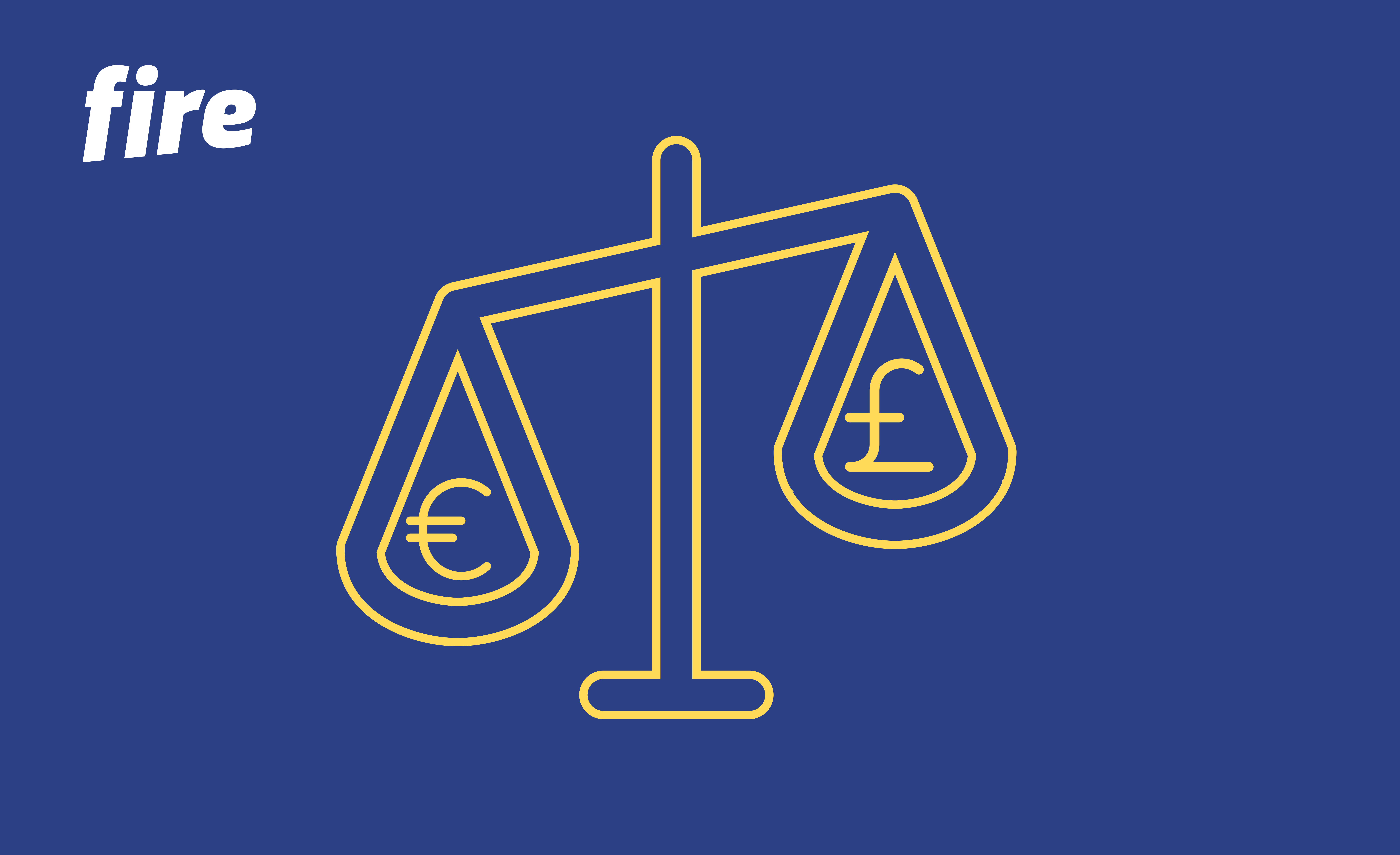
Currency hedging for businesses is about managing an existing financial exposure rather than speculating on currency movements. It is not only used by large corporates, and it does not always require derivatives or forward contracts. Simpler approaches, such as holding funds in the relevant currency and timing conversions around known payments, can also help businesses manage day-to-day FX exposure.
Why exchange rate risk is a real problem for SMEs
A business invoicing European clients in euros but paying UK or Irish suppliers in GBP is exposed to exchange rate movements each time it converts between currencies. Even relatively small changes can have a material impact when payment amounts are large.
EUR/GBP rates can move over time, creating uncertainty for businesses with future payments or receipts in either currency. For example, the ECB‘s euro reference rate for sterling moved from £0.86803 per euro on 24 April 2026 to £0.85670 on 21 August 2026.
For a business dealing with a six-figure payment, even a small percentage movement can represent thousands in additional cost or lost value. A 4% movement on a £100,000 payment, for example, would represent approximately £4,000 of a difference in value before other costs are considered.
This is why currency hedging for businesses matters. Having a clear approach to assessing and managing foreign currency exposure can help businesses reduce the impact of exchange rate movements and make international cash flows more predictable. The Irish Department of Enterprise, Tourism and Employment recommends that SMEs assess their currency exposure and develop a currency management strategy to manage foreign currency risk.
Common hedging approaches
There are several ways businesses can manage foreign exchange risk. The right approach depends on the size and nature of the exposure, the predictability of future payments and receipts, and the level of certainty the business needs.
- Natural hedging: Natural hedging involves matching foreign currency income with expenses in the same currency. For example, a business receiving EUR and making EUR payments can retain those funds in euros rather than converting them first. This can reduce the number of conversions required and help manage exchange rate exposure through matching foreign currency receipts and payments.
- Timing conversions strategically: Businesses can also manage FX exposure by considering when they convert their funds. Holding a currency balance and converting around known payment dates can provide flexibility, although the business remains exposed to movements in the exchange rate. Spot foreign exchange allows businesses to exchange currencies at the prevailing rate, meaning they can benefit from favourable movements but remain exposed to adverse ones.
- Forward contracts: Forward contracts allow a business to agree an exchange rate today for a specified amount of currency to be exchanged on a future date. They can provide greater certainty over future cash flows and help reduce the impact of adverse exchange rate movements. However, the agreed rate is binding, so the business cannot benefit if the market subsequently moves in its favour
How multi-currency accounts help you manage FX exposure
Multi-currency accounts can give businesses greater control over when and how they convert funds. By holding balances in the currencies they regularly receive and spend, businesses can reduce the need for immediate conversions and better align their currency balances with their payment needs.
For example, a UK business receiving EUR from European customers could hold those funds in a EUR balance rather than converting them into GBP immediately. If the business later needs to pay a EUR-denominated supplier, it can use the EUR balance directly without converting the funds first. If it needs GBP instead, it can convert the amount required based on its cash-flow needs.
Fire’s FX accounts allow businesses to hold and manage EUR and GBP balances and make FX conversions within the platform. Funds can be moved between currency balances instantly, giving businesses greater flexibility over when they convert and helping them manage day-to-day FX exposure more efficiently. Fire’s article on holding euro and sterling also explains how businesses can retain funds in the currency they receive and use them for expenses in the same currency, reducing unnecessary conversions.
Who needs a currency hedging strategy?
Currency hedging for businesses is particularly relevant when a company regularly receives or makes payments in a currency different from its operating costs. The greater the value, frequency or uncertainty of those payments, the more important it can be to have a clear approach to managing FX exposure.
This could include an Irish exporter receiving GBP from UK customers, a UK business paying European suppliers in EUR, a platform making payments to users across multiple markets, or a SaaS company billing customers in USD while operating in EUR.
While the industries may differ, the underlying challenge is the same: exchange rate movements can affect the value of money received or paid, making international cash flow less predictable. Having a clear approach to managing that exposure can help businesses plan with greater certainty. For businesses looking to take greater control of their international payments, Fire’s FX accounts make it possible to hold and manage EUR and GBP balances in one place, with FX conversion available when needed.
To find out more about how Fire can support your international payments, get in touch with the Fire team.

–
FAQs
What is currency hedging in simple terms?
Currency hedging is a way of reducing the impact of exchange rate movements on your business. One simple approach is to hold funds in the currency you need to spend, rather than converting them immediately.
Do I need a forward contract to hedge currency risk?
Not necessarily. Forward contracts are one way to manage FX risk, but businesses can also use multi-currency accounts and strategically time their conversions to manage day-to-day currency exposure.
Can a multi-currency account replace a hedging strategy?
A multi-currency account can be an effective way to manage day-to-day FX exposure. Holding funds in the relevant currency can reduce unnecessary conversions and give businesses greater control over when they exchange funds.
How does Fire help with currency hedging?
Fire’s FX accounts allow businesses to hold and manage EUR and GBP balances, make FX conversions within the platform, and receive and make payments in multiple currencies. This can help businesses reduce unnecessary conversions and manage their day-to-day FX exposure more efficiently.
What’s the difference between hedging and speculation?
Hedging is about managing the potential impact of exchange rate movements on a known payment or receipt. Speculation involves taking a position with the aim of profiting from those movements. For most businesses, the focus is on managing currency risk rather than speculating on exchange rates.